

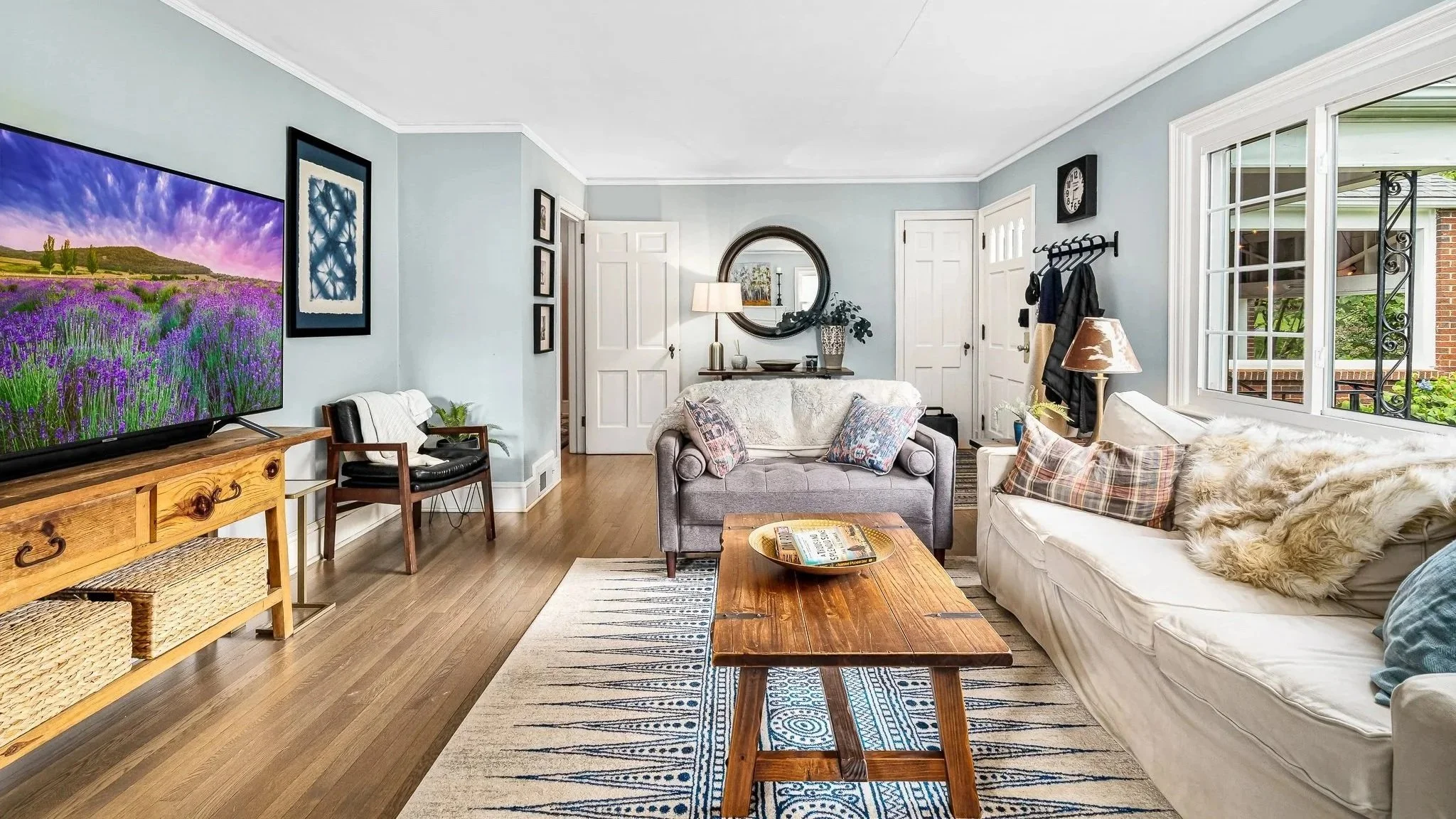
There is a story I share often with real estate investors and homeowners who wonder if intentional design decisions really matter before the market shifts.
It is not a story about a flawless project; it is a story about a major pivot.
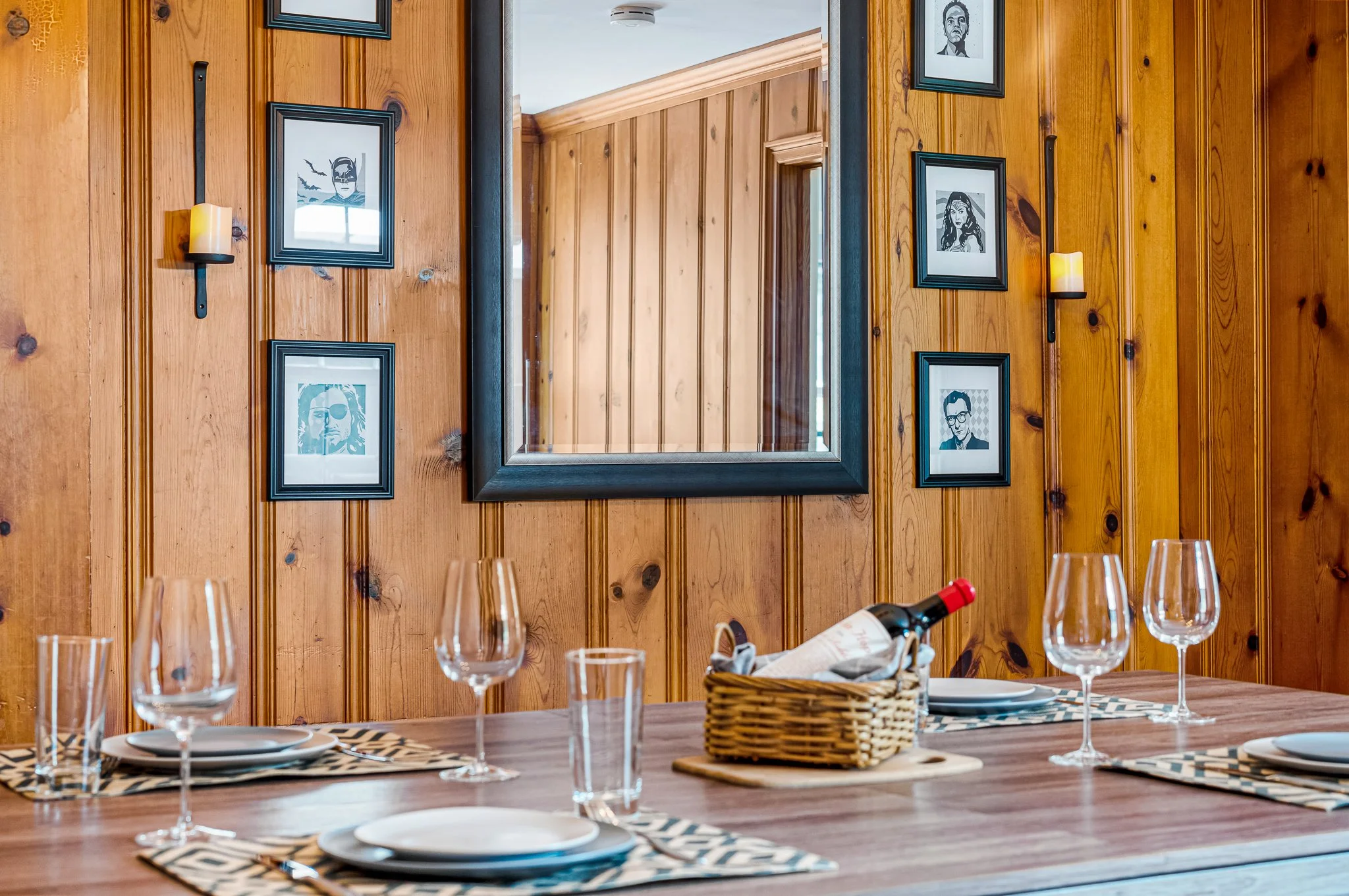
A few years ago, our family purchased a property in North Carolina for my youngest son while he was attending college. The original strategy was straightforward: he would live in it during the school months, rent two of the bedrooms to roommates to offset costs, and rent the entire house during the summer off-months to parents attending college camps, orientations, and graduation weeks.
We designed with those two distinct audiences in mind: busy college students who need functional spaces, and traveling parents who expect a comforting, hotel-alternative experience (I kept the nicer linens and amenities stored, planning to place them out before the guests arrived).
Then, the world changed overnight.
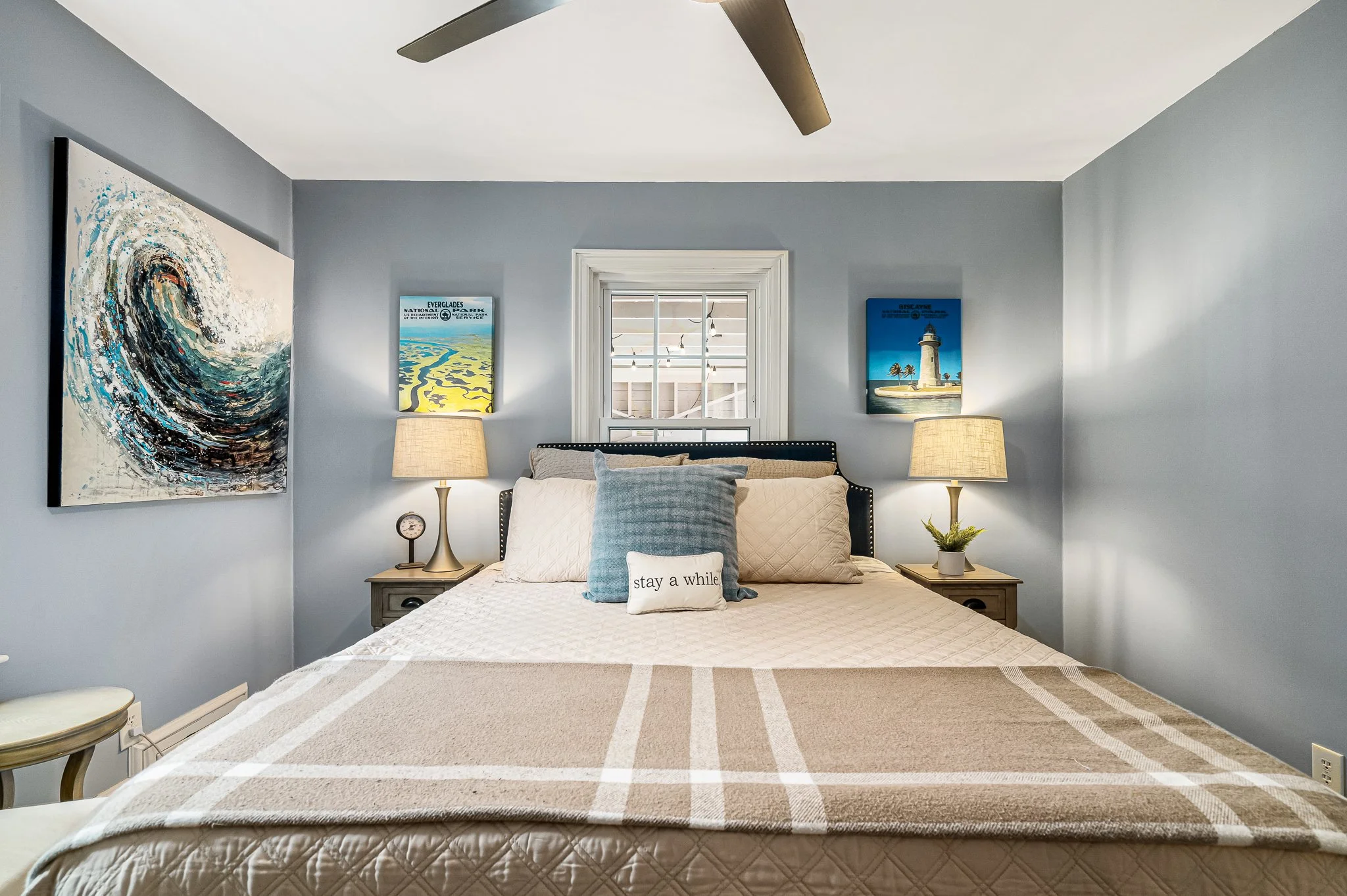
The pandemic arrived, and our summer short-term rental plans had to be entirely paused. Because of travel restrictions and campus changes, the roommates stayed in the house throughout the school breaks.
What happened next is a testament to the power of psychology-informed design and strategic staging.
The Psychology of a Safe Haven
Instead of becoming a seasonal rental, the property transformed into a vital sanctuary for these young adults. Most of them were members of the ROTC program. Under immense global stress, this house became their safe haven.
Because we had designed the common areas and rooms to feel grounded, calm, and highly organized, the environment supported their daily lives under pressure. They did their grueling workouts together, navigated their online classes, and returned from outdoor activities to a place that felt deeply stable and welcoming.
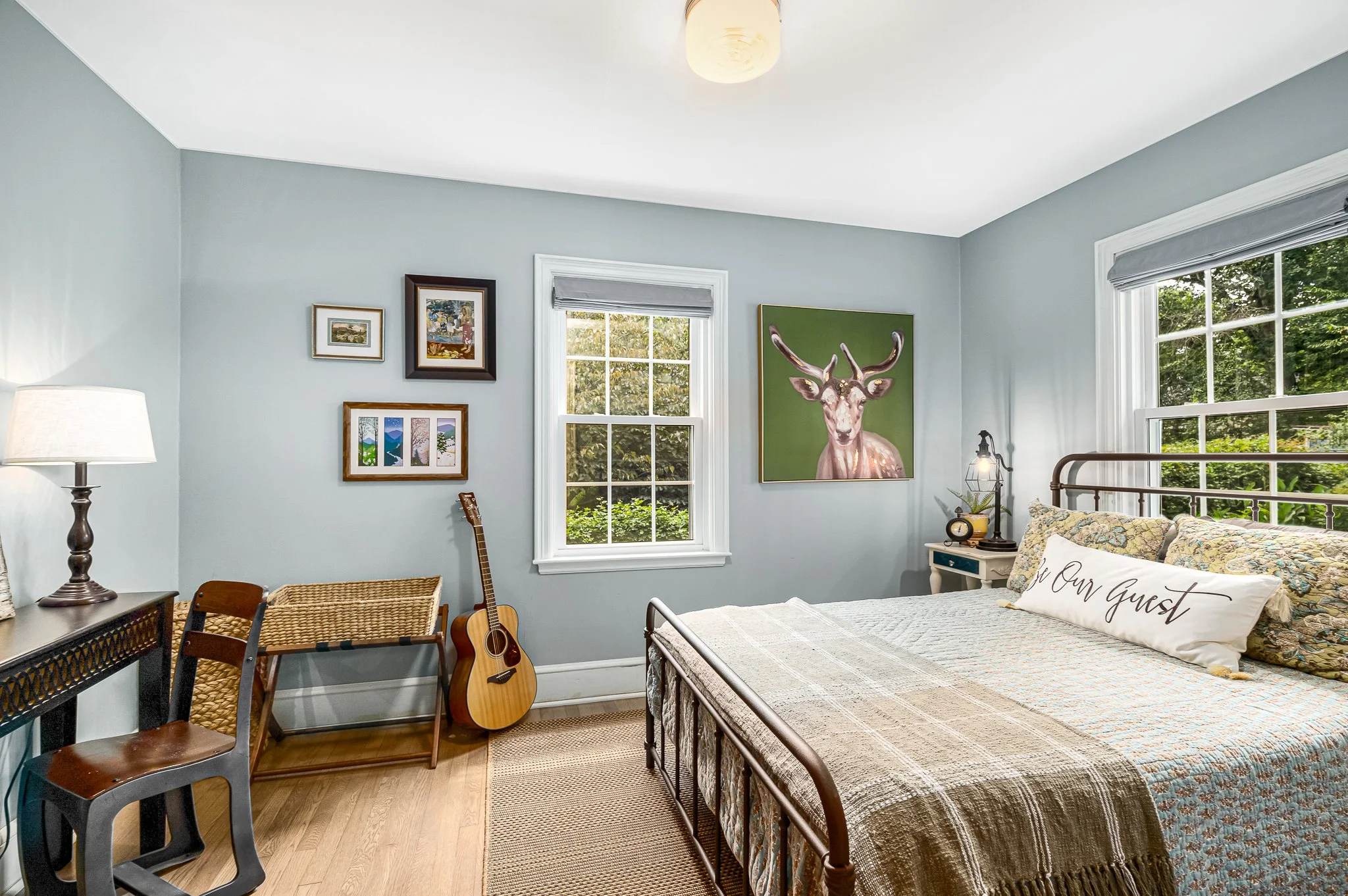
My training in psychology tells us that our surroundings directly impact our emotional well-being, especially during times of uncertainty. We did not just fill a college house with generic, mismatched furniture. We used the science of visual perception to create an organized, balanced environment. That intentionality anchored those students when they needed it most.
Turning a Student House into a Premium Listing
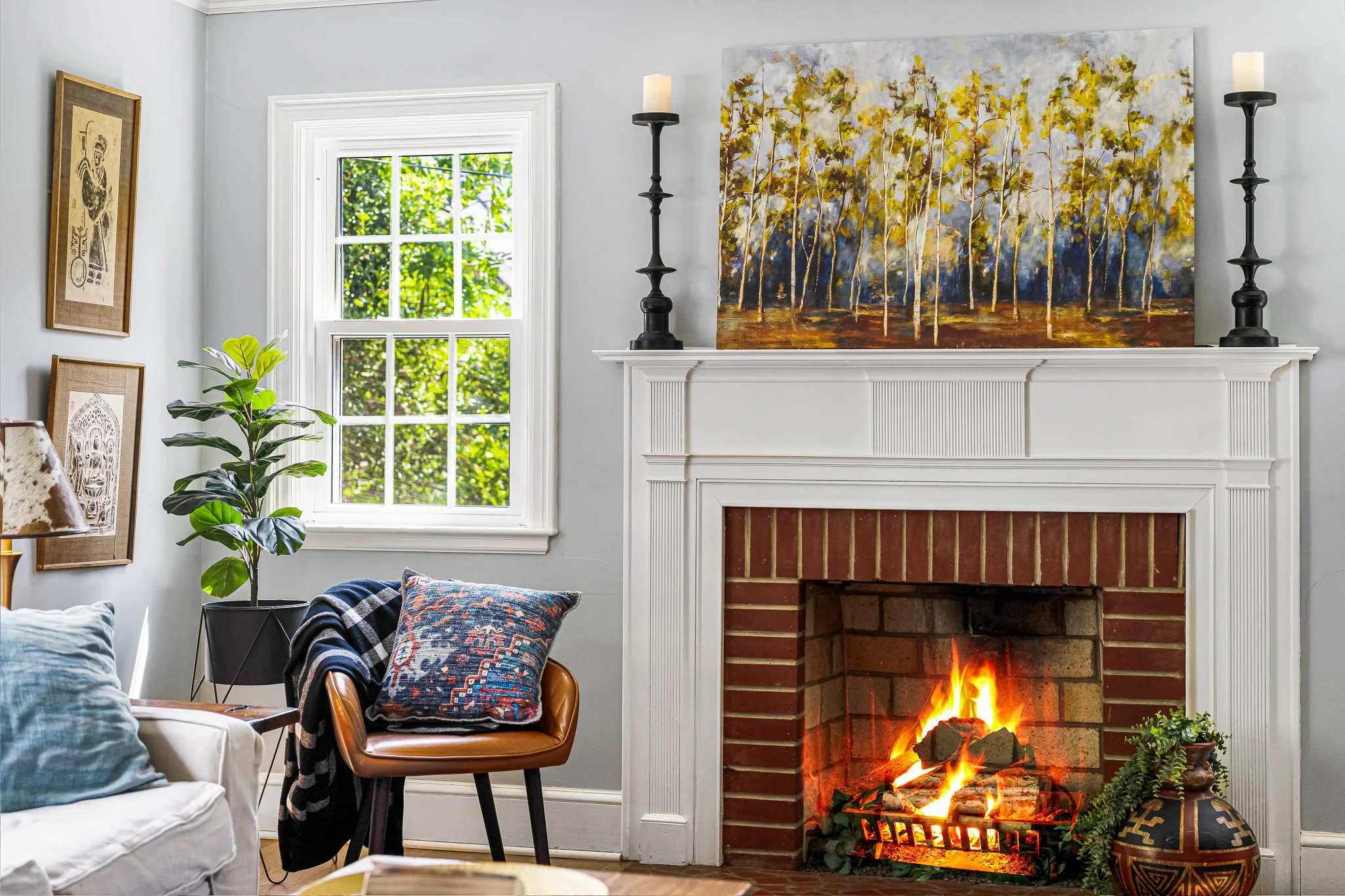
When the pandemic restrictions lifted and the students were finally ready to graduate and move on to their next chapters, it was time to put the property on the market.
College town real estate listings are notoriously predictable. Most student-inhabited homes on the market look tired, simple, and obviously worn down by years of temporary living.
To maximize our return on investment, I stepped in to quickly modify and dress the home specifically for a residential sale. Because we had already laid a foundation of warm and comfortable furnishings, logical layouts, and a cohesive color story, the staging process was seamless.
We focused on the high-ROI details that make buyers make emotional decisions within seconds of walking through the door:
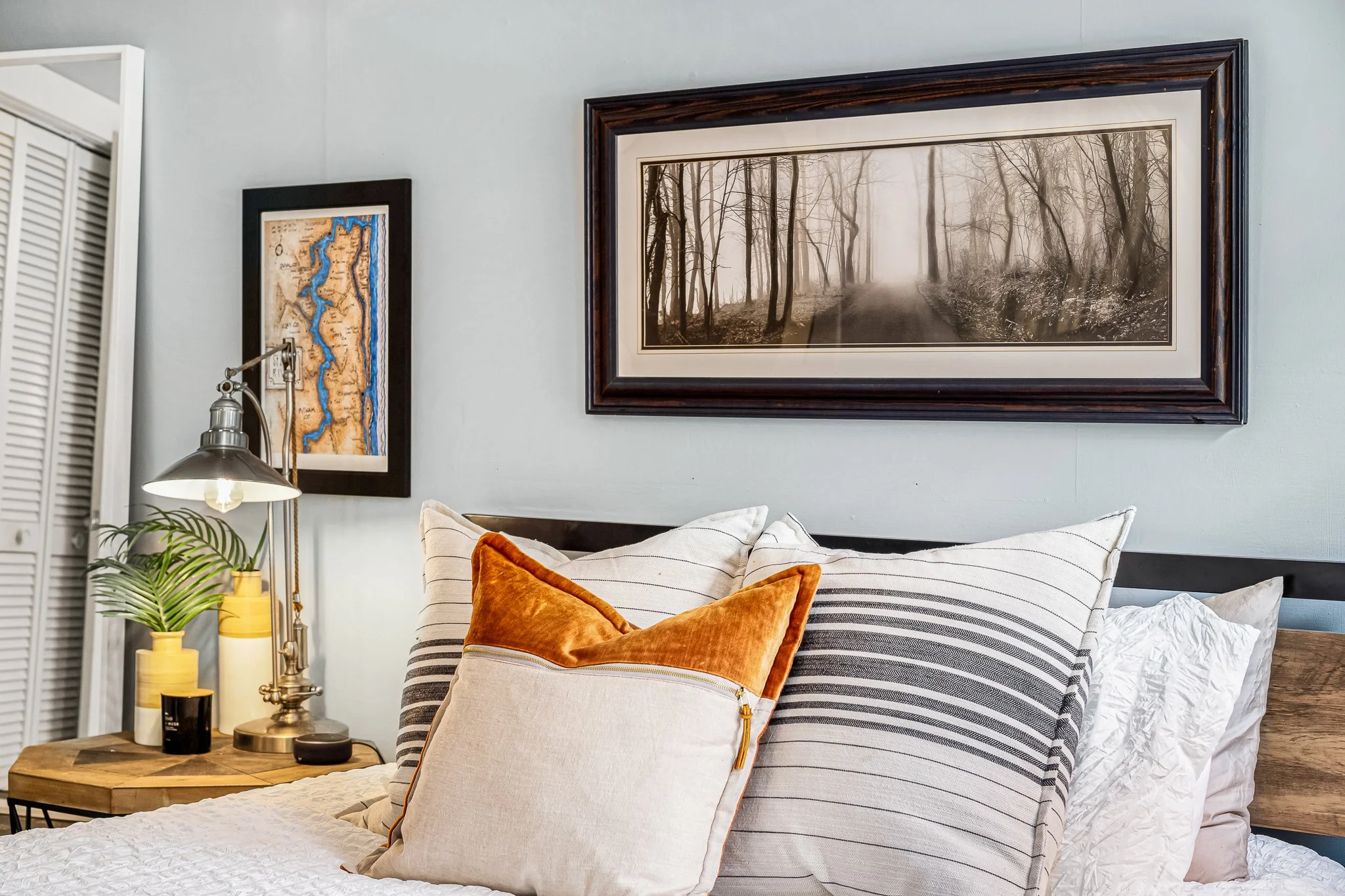
Light and Atmosphere: I layered the lighting throughout the main living areas, ensuring the home felt bright, generous, and optimistic.
Sensory Curation: I styled each bedroom to look like a premium retreat, using crisp, layered linens and neutral tones that allowed potential buyers to project their own lives onto the space.
Editing and Flow: I removed the highly personal student elements and scaled the furniture layout so the house felt spacious, clean, and intentionally loved.
The result? We hosted an incredibly busy open house and received several competitive offers right away. The property stood out like a beacon against the simple, unstaged student houses in the neighborhood, securing us a wonderful return on investment.
Is a College Property Right for Your Portfolio?
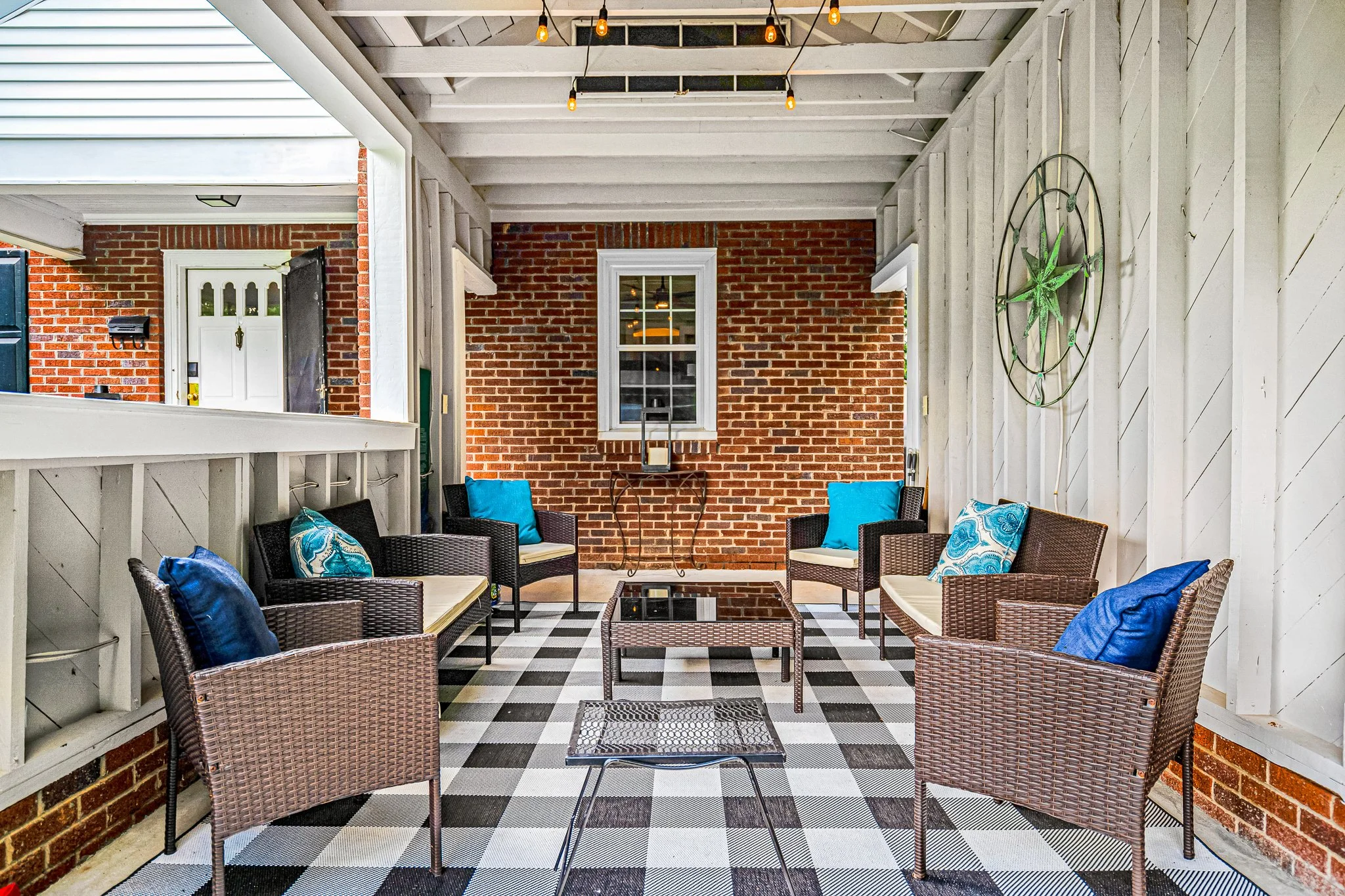
For parents of college students, purchasing a property can be an exceptional investment strategy depending on your specific university location and market dynamics. It allows you to house your student in a wholesome, controlled environment while building long-term equity.
However, the real lesson of this North Carolina home is that a property’s design must be resilient. Whether you are managing an asset locally in Jacksonville or navigating a remote investment from afar, building flexibility into your design from day one ensures your property can pivot to match whatever the market demands next.
Frequently Asked Question
Frequently Asked Question
-
We prioritize high-performance, stain-resistant materials and commercial-grade paint finishes. Choosing durable, investment-grade selections upfront prevents the property from looking tired and saves you thousands in premature replacement and repair costs.
-
Decorating personalizes a home for the current occupant. Psychological staging does the exact opposite: it strategically depersonalizes the space while keeping it warm and welcoming. It uses layout, lighting, and color science to remove visual friction, making potential buyers feel instantly calm and at home the moment they cross the threshold.
-
Our virtual design packages are built specifically to solve this problem. We provide remote owners with comprehensive digital deliverables, including clear floor plans, curated mood boards, and highly detailed, clickable shopping lists. This gives your local handyman, property manager, or painter an exact execution map, eliminating all guesswork.
The Bottom Line
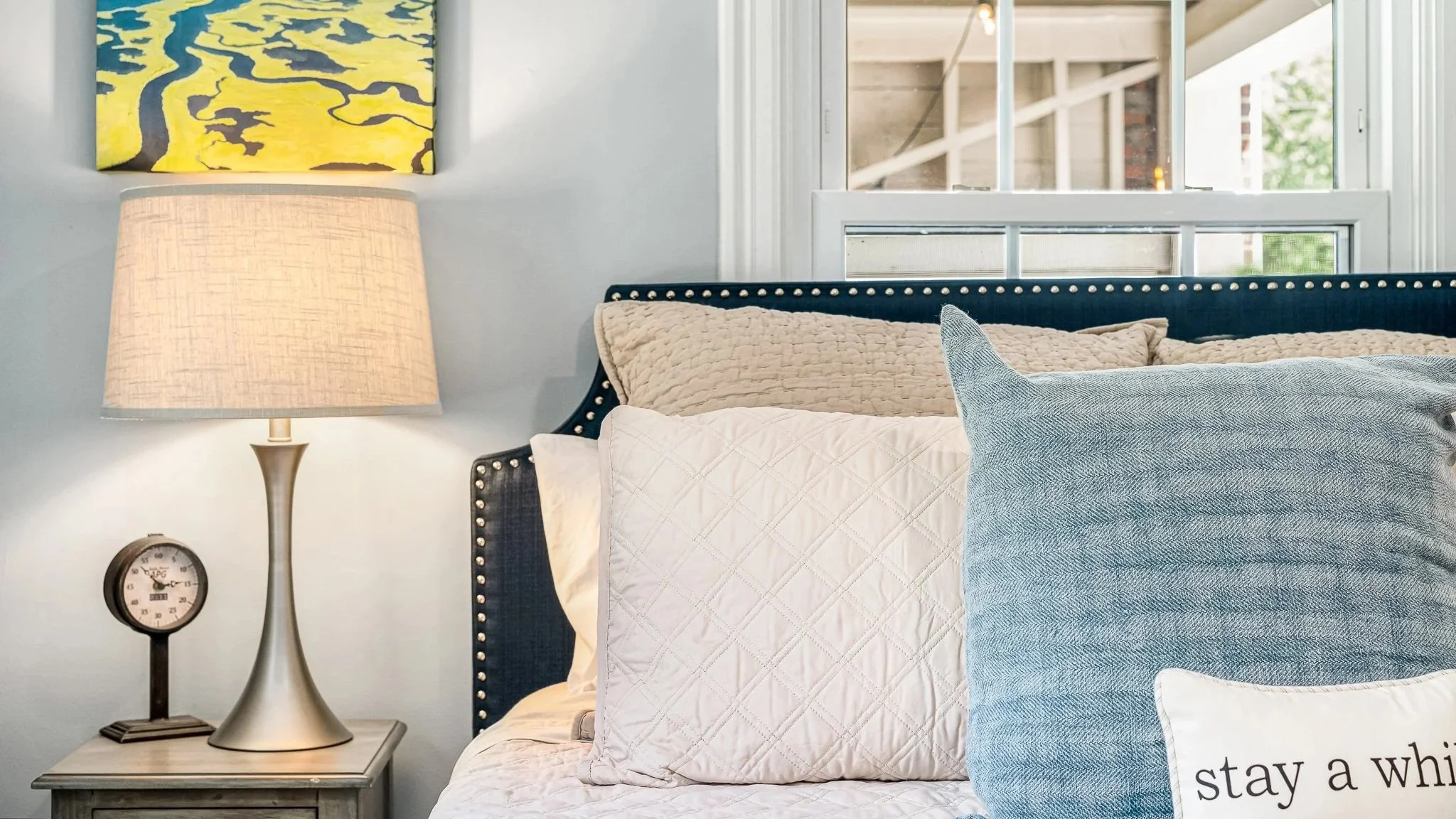
Design that is rooted in purpose, durability, and psychology does not just look beautiful in a photograph. It protects your equity, adapts to sudden cultural and market changes, and drives tangible financial results when it is time to sell.
If you are preparing a property for the real estate market in Northeast Florida, or trying to navigate an out-of-state investment without the accompanying overwhelm, let us establish a clear roadmap for your space.
Book your complimentary Discovery Call today, and let us transition your property from chaos to true peace of mind.
Industry Peer & Vendor References
To learn more about high-performance textiles that withstand high-traffic environments, explore the stain-resistance standards established by Revolution Performance Fabrics.
For professional staging guidelines and insights into how psychology impacts buyer behavior, review the resources available at The Decorologist.
Written by Gloria Staats
Author's Note: The core concepts and drafts of this post are original. An AI tool was utilized for copyediting, formatting, and language enhancement prior to publication.
